
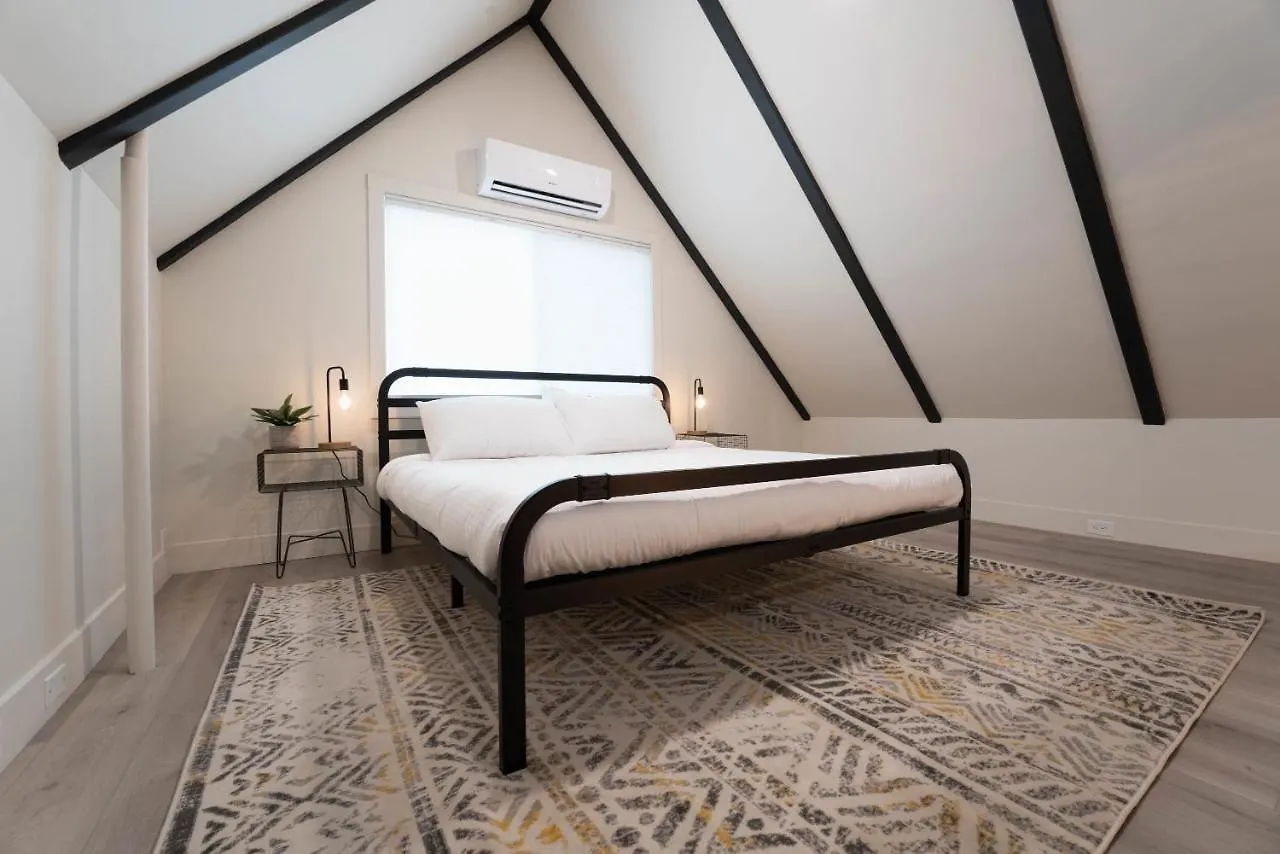
Mount Shasta is a compact mountain town in Northern California where outdoor access - from skiing on Mount Shasta to kayaking on Lake Siskiyou - is the primary draw for most visitors. Its 3-star hotels sit in a sweet spot between basic motels and pricier lodges, offering real amenities like kitchens, mountain views, and free parking without inflating the nightly rate. This guide covers the four strongest 3-star options across Mount Shasta and the nearby Dunsmuir corridor, with direct booking links and honest trade-off analysis.
What It's Like Staying in Mount Shasta
Mount Shasta is a small high-altitude town on Interstate 5 in Siskiyou County, with a permanent population of around 3,500 people. The town serves as a base camp for serious outdoor activity - the mountain itself is one of the most-climbed peaks in the United States, and the surrounding Shasta-Trinity National Forest draws hikers, anglers, and skiers year-round. Getting around without a car is not realistic - there is no meaningful public transit, and most trailheads, lakes, and ski areas require driving. Crowds are notably concentrated in summer and winter ski season, while spring and fall offer significantly quieter conditions at lower prices.
Visitors who want direct, no-fuss access to Mount Shasta's outdoor circuit - skiing at Mount Shasta Ski Park, fly-fishing the Upper Sacramento River, or day trips to Castle Crags State Park - will find staying in the Mount Shasta area highly convenient. Travelers looking for urban amenities, restaurant density, or nightlife will find the town limiting and should base themselves in Redding instead, roughly 90 minutes south on I-5.
Pros:
- Immediate access to Mount Shasta Ski Park, Lake Siskiyou, and multiple trailheads within 15 km
- Free parking is standard at nearly all properties - no urban parking fees
- Quiet, low-light environment makes it genuinely restorative for outdoor recovery stays
Cons:
- No public transportation - a rental car or personal vehicle is mandatory
- Dining options are limited after 9 PM; most restaurants close early
- Altitude above 1,000 meters can affect acclimatization for first-night arrivals from sea level
Why Choose 3-Star Hotels in Mount Shasta
In Mount Shasta, the 3-star category covers lodges, inns, and bed-and-breakfasts that offer noticeably more than basic motel-level stays - think full kitchens, mountain views, hot tubs, and continental breakfast - without crossing into the $300+ nightly range that some of the town's boutique lodges command. Most 3-star properties here include free parking and in-room kitchen facilities, which is a practical advantage for hikers and skiers who need early starts and self-catering flexibility. Room sizes tend to be more generous than urban 3-star equivalents, often including patios, seating areas, or direct garden access.
The main trade-off is that 3-star properties in this area typically have smaller staffs and limited on-site dining. Some operate more like self-catered lodges than full-service hotels, so guests expecting daily housekeeping or a 24-hour front desk may be disappointed. Nightly rates at this tier average around $150 in shoulder season, making them the most cost-efficient way to access Mount Shasta's outdoor infrastructure.
Pros:
- Kitchen or kitchenette access in most rooms reduces daily food spending significantly
- Properties are set in low-density areas with genuine mountain or garden surroundings
- Free parking and outdoor gear storage are standard at this tier
Cons:
- Limited or no on-site restaurant - most guests must drive to town for dinner
- Smaller front desk teams mean check-in windows may be restricted
- Seasonal outdoor amenities like pools are only available in summer months
Practical Booking & Area Strategy
The Mount Shasta and Dunsmuir corridor spans about 15 km along I-5, and choosing between them matters. Staying in Mount Shasta city center puts you closest to downtown restaurants on Mount Shasta Boulevard, the City Park, and direct access roads to the ski park and Lake Siskiyou trailheads. Dunsmuir, around 12 km south, is quieter and more secluded - a better fit for visitors focused on the Upper Sacramento River for fishing or Castle Crags State Park hiking. Both towns feed into the same outdoor circuit, so the choice is more about preferred atmosphere than access time.
Mount Shasta Ski Park operates roughly from November through April, and booking at least 6 weeks in advance during holiday weekends and Presidents' Day week is strongly advised - inventory at quality 3-star properties is limited and sells out fast. Summer weekends from July through August are equally competitive due to hiking traffic on Mount Shasta and Whitney Falls. Spring (April-May) and fall (September-October) offer the best price-to-experience ratio, with trails and lakes accessible and hotel availability much looser. Redding Municipal Airport is the closest commercial airport, around 110 km south, making most visitors self-drive arrivals via I-5.
Best Value Stays
These properties deliver strong practical value for outdoor-focused visitors - offering self-catering facilities, mountain proximity, and free parking at accessible nightly rates.
-
1. Basecamp Lodge
Show on map


 Check-infrom 16:00 until 23:00Check-outuntil 11:00
Just a few rooms left at the best rate!
fromUS$ 129
-
2. Mossbrae Hotel
Show on map


 Check-infrom 15:00 until 23:30Check-outfrom 05:00 until 11:00
Just a few rooms left at the best rate!
fromUS$ 264
-
3. Swiss Holiday Lodge
Show on map


 Check-infrom 15:00 until 23:59Check-outuntil 11:00
Hurry – almost gone at this price!
fromUS$ 100
Best Premium Option
For visitors wanting a more immersive, character-rich stay with additional space and on-site recreational facilities, this property stands clearly above the standard lodge format.
-
4. Mount Shasta Ranch Bed And Breakfast
Show on map


 Check-infrom 15:00 until 19:00Check-outuntil 11:00
Rooms filling fast – secure the best rate!
fromUS$ 136
Smart Travel & Timing Advice
Mount Shasta's tourism calendar splits sharply into two seasons: winter ski season (November through April) and summer hiking season (June through September). Presidents' Day weekend and the Christmas-New Year window see the highest hotel occupancy of the year - properties at the 3-star level routinely sell out, and rates climb significantly. For skiing-focused trips, January and February offer the most reliable snow coverage on Mount Shasta Ski Park combined with post-holiday rate dips. Summer weekends in July and August are almost as competitive as peak ski weekends due to Mount Shasta summit climb permits and Lake Siskiyou recreation traffic.
Spring (late April through May) and fall (September-October) are the tactical windows for value-focused travelers - trails are accessible, the mountain is photogenic with lingering snow, and hotel rates drop by around 30% compared to peak periods. A 3-night stay is the practical minimum to meaningfully cover the key sites: Castle Crags, Lake Siskiyou, the Black Butte Trail, and a ski or summit day each benefit from a dedicated full day. Last-minute booking is viable only in shoulder season - during winter and summer peak weeks, 4 to 6 weeks advance booking is the realistic floor for securing a quality 3-star room.


